

Tag: weight loss

  • Sermorelin Peptide for Muscle Loss with Patients on GLP-1s

    Sermorelin Peptide for Muscle Loss with Patients on GLP-1s

    GLP-1 medications like semaglutide (Wegovy®, Ozempic®) and tirzepatide (Zepbound®, Mounjaro®) have transformed medical weight loss. Many patients experience meaningful, sustained fat loss, often for the first time. But as the scale drops, a common concern is how much muscle/lean mass is being lost as well.

    In general, weight loss, especially rapid or significant weight loss, almost always includes some loss of lean mass, which includes muscle, water, organs, and connective tissue. Clinical trials of GLP-1 medications confirm that while on GLP-1 therapy most weight loss is fat, but lean mass can be a large portion of the loss because of how rapidly patients shed the pounds.

    Why muscle loss can happen on GLP-1s

    GLP-1s suppress appetite and often slow gastric emptying, particularly early in treatment. Many patients eat far fewer calories than before, sometimes unintentionally. When calorie intake drops quickly, the body pulls energy from both fat and lean tissue. As total caloric intake falls, protein intake often falls as well. Smaller meals, food aversions, and early satiety can lead to lower protein intake unless patients are intentional. Insufficient protein during weight loss increases the risk of losing lean mass rather than fat alone.

    Another contributing factor is reduced mechanical demand. As body weight decreases, muscles are under less load in daily life. Without resistance training, the body may interpret this as a signal that less muscle is required. This pattern is not unique to GLP-1s and is seen across many forms of weight loss.

    As awareness of this issue grows, patients and clinicians are exploring strategies to preserve muscle while continuing the metabolic benefits of GLP-1 therapy. One therapy that often enters the conversation is Sermorelin.

    What is Sermorelin?

    Sermorelin is a synthetic peptide that mimics growth hormone–releasing hormone (GHRH), a signal produced by the brain that stimulates the pituitary gland to release growth hormone (GH). Rather than supplying growth hormone directly, sermorelin works upstream in the GH axis: Sermorelin → pituitary GH release → increased IGF-1 signaling.

    Growth hormone and insulin-like growth factor-1 (IGF-1) influence tissue repair,  metabolism, and body composition by stimulating fat breakdown (lipolysis) and decreasing fat storage (lipogenesis) in fat cells (adipocytes) and body. GH secretion naturally declines with age, obesity, and poor sleep, factors common in patients seeking GLP-1 therapy.

    Potential benefits of Sermorelin during GLP-1 weight loss

    1. Supporting muscle quality, not just size

    Muscle health isn’t only about how much muscle you have—it also includes strength, recovery, mitochondrial function, and neuromuscular coordination.

    Growth hormone plays a role in muscle protein turnover and repair, particularly when combined with resistance training. In studies of GHRH analogs in adults, activation of the GH axis was associated with increases in lean body mass.

    Sermorelin may help preserve muscle quality and functional strength, even if some lean mass loss still occurs during weight reduction. Importantly, GH does not directly build muscle like anabolic steroids. Instead, it may create a more supportive internal environment for muscle maintenance when proper nutrition and training are present.

    2. Improved recovery capacity during weight loss

    GLP-1–associated weight loss can feel physically demanding; lower energy intake, reduced training tolerance, and fatigue during dose escalation are common.

    Growth hormone plays a role in tissue repair and recovery, including connective tissue remodeling. Some patients report improved recovery and exercise tolerance with GH-axis stimulation, which could help maintain muscle by allowing more consistent resistance training.

    3. Indirect benefits through sleep quality

    A major daily pulse of growth hormone occurs shortly after sleep onset and is closely linked to slow-wave (deep) sleep. Poor sleep impairs muscle recovery, worsens insulin sensitivity, and increases fatigue.

    Sermorelin is often reported to improve sleep continuity or depth. Better sleep could indirectly support muscle recovery, training adherence, and overall metabolic health. Any muscle-preserving strategy that improves sleep deserves consideration, even if the effect is indirect.

    4. Favoring fat loss over lean loss (nutrient partitioning)

    Growth hormone has known effects on lipolysis (fat breakdown) and free-fatty-acid mobilization. GH-axis stimulation shifts weight loss toward fat mass rather than lean mass.

    This concept, known as nutrient partitioning, is one reason pharmaceutical companies are actively developing muscle-preserving agents to pair with GLP-1 therapies. While sermorelin is not one of these new investigational drugs, the theory aligns with why this combination is being explored.

    5. Age-related considerations

    GH secretion declines naturally with age. Patients over 40, postmenopausal women, and individuals with long-standing obesity may begin GLP-1 therapy with lower baseline GH output.

    Sermorelin could partially offset this decline, potentially narrowing the gap in muscle-preservation outcomes between younger and older patients during weight loss. This does not mean Sermorelin “reverses aging,” but it may address a specific physiologic limitation.

    Here’s the most important takeaway:

    There is no direct clinical trial proving that Sermorelin prevents muscle loss specifically in patients using GLP-1 medications.

    What we do have includes:

    • robust data showing GLP-1s reduce lean mass alongside fat loss
    • studies showing GH-axis stimulation with peptides like Sermorelin can influence body composition (increased lean mass and increased lipolysis)
    • growing industry focus on muscle preservation as a recognized unmet need

    Risks and limitations to understand

    Sermorelin does not replace protein intake or resistance training.

    GH-axis stimulation can cause side effects such as fluid retention, joint discomfort, tingling or numbness, headaches, and changes in glucose handling. IGF-1 levels should be monitored, more is not always better. Quality and sourcing matter significantly, and medical supervision is essential.

    What matters for preserving muscle on GLP-1s

    Whether or not Sermorelin is used, the most effective muscle-preserving tools remain:

    • Resistance training (2–4 times per week)
    • Intentional protein intake
      • A practical way many clinicians guide patients is to think in terms of up to 1 gram of protein per pound of goal body weight per day. This is not a requirement, and most patients will not consistently reach this number. However, using this target as a mental framework often results in patients consuming enough protein to support muscle preservation, even when actual intake falls well below 1 g/lb.
    • Tracking strength and function, not just scale weight.

    Sermorelin and GLP-1s bottom line

    Sermorelin is discussed for muscle preservation on GLP-1s. For patients who are strength-training, prioritize protein, and work with knowledgeable clinicians, it is a reasonable adjunct to explore. But remember, the foundation remains unchanged: Muscle is preserved by use, fuel, and recovery, not by peptides alone.

    References

    1. Wilding JPH, et al. Once-Weekly Semaglutide in Adults with Overweight or Obesity. N Engl J Med. 2021. Link: https://pubmed.ncbi.nlm.nih.gov/33567185/
    2. Wilding JPH, et al. Impact of Semaglutide on Body Composition: STEP-1 Exploratory DXA Analysis. 2021. Link: https://pubmed.ncbi.nlm.nih.gov/33567185/
    3. Look M, et al. Body Composition Changes with Tirzepatide in SURMOUNT-1. Diabetes Obes Metab. 2025. Link: https://pubmed.ncbi.nlm.nih.gov/39996356/
    4. Khorram O, et al. Long-Term GHRH Analog Administration in Older Adults. J Clin Endocrinol Metab. 1997. Link: https://pubmed.ncbi.nlm.nih.gov/9141536/
    5. Walker RF, et al. Sermorelin as an Alternative to GH Therapy. 2006. Link: https://pubmed.ncbi.nlm.nih.gov/18046908/
    6. Reuters. Regeneron reports muscle-preserving effects with experimental obesity drug. 2025. Link: https://www.reuters.com/business/healthcare-pharmaceuticals/regenerons-weight-loss-drug-helps-preserve-muscle-mass-study-2025-06-02/

    Precision Telemed Clickable Links
    Compounded Tirzepatide
    Compounded Semaglutide
    Sermorelin Peptide
    NAD+ Injections
    Testosterone Replacement Therapy
    Hair Loss
    Erectile Dysfunction
  • GLP-1 and NAD+

    GLP-1 and NAD+

    Feeling Drained During Your GLP-1 Weight-Loss Journey? Here’s How NAD⁺ Injections Might Help You Feel Like Yourself Again

    Many patients start GLP-1 medications with clear goals. Better health, steady weight loss, and renewed confidence. Then, a few weeks in, they notice something they didn’t expect: exhaustion. Patients notice that they are finally losing weight but they feel like they’re “running on empty.”

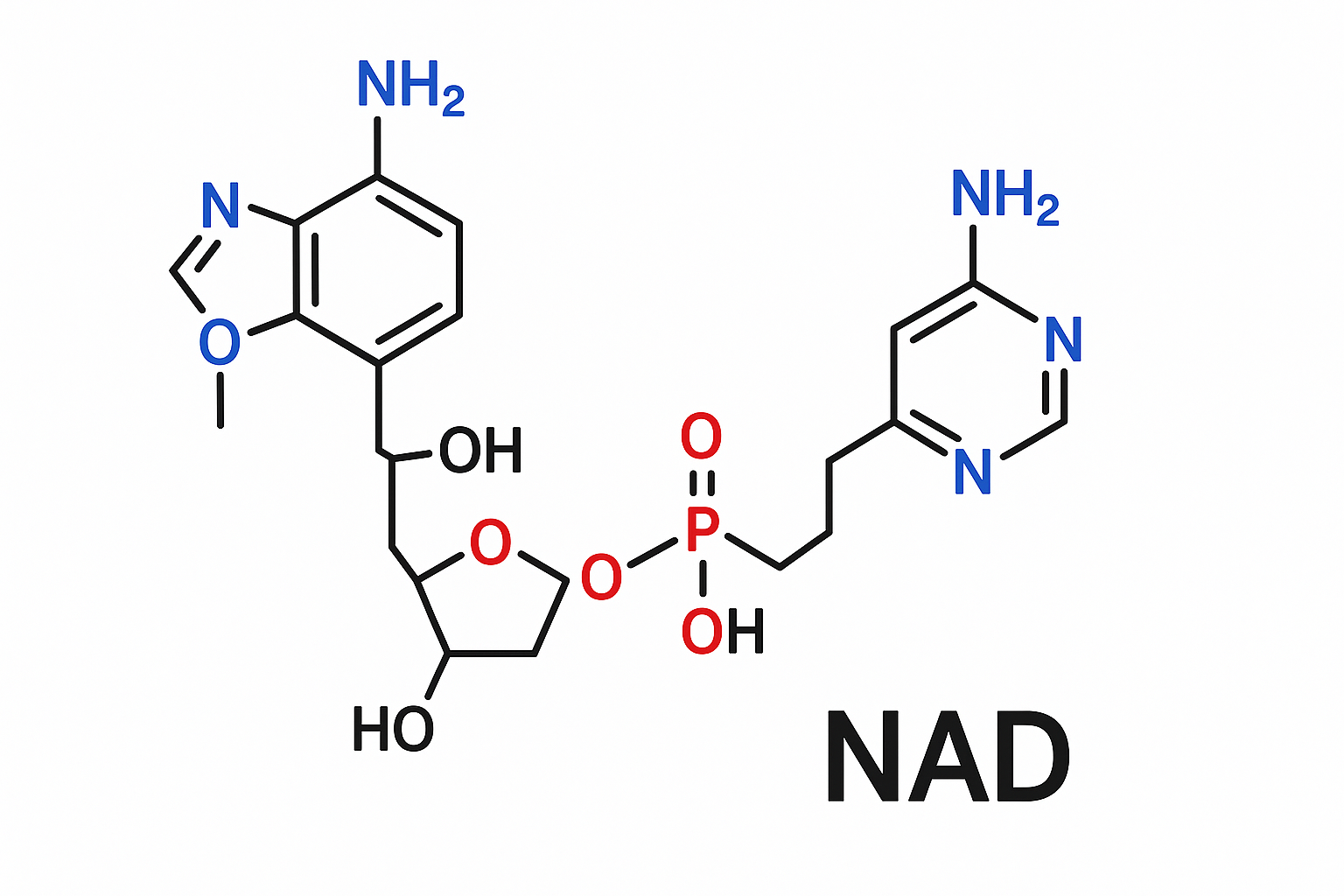
    That kind of fatigue is more common than most people think. As clinicians, we’ve seen it time and again, especially during the first few months on GLP-1 medications, such as semaglutide or tirzepatide. That being said, there are ways to support energy without derailing progress. One promising tool is NAD⁺ (nicotinamide adenine dinucleotide), a coenzyme essential for cellular energy production.

    Let’s dive in to why fatigue can creep in during GLP-1 therapy, what NAD⁺ actually does inside your cells, and why NAD⁺ injections are gaining attention among people who want to feel energized again.

    Why Fatigue Happens with GLP-1 Weight-Loss Therapy

    GLP-1 receptor agonists work by slowing digestion and decreasing appetite, so you naturally eat less (Wilding et al. 989). When calorie intake drops, your body has to adapt; essentially, it starts running on stored energy instead of constant fuel. This metabolic shift is healthy, but it can make you feel sluggish, foggy, or mentally flat for a while.

    We also see a few other contributors:

    • Reduced calories and protein: muscles can temporarily lose fuel.
    • Mild dehydration: appetite changes often mean lower fluid intake.
    • Micronutrient shifts: your body is burning through reserves.
    • Mitochondrial slowdown: the “power plants” in your cells produce less ATP when nutrients drop (Yoshino et al. 1225).

    That last point is where NAD⁺ becomes especially interesting.

    Meet NAD⁺: Your Cells’ Energy Middleman

    Inside every cell, NAD⁺ helps turn food into ATP, the molecule that literally powers movement, focus, and repair (Bogan and Brenner 118). Think of it as a universal battery connector. Without enough NAD⁺, the entire energy chain sputters.

    Levels of NAD⁺ naturally decline with age and stress (Verdin 1210). Rapid weight loss, reduced caloric intake, and hormonal changes can accelerate that dip. When NAD⁺ drops, so does mitochondrial performance, leaving you with slower metabolism, mental fog, and that mid-day crash we hear about so often.

    Supporting NAD⁺ levels is about more than “feeling awake.” It’s about helping your cells produce energy efficiently again, so your weight-loss plan feels sustainable instead of draining.

    How NAD⁺ Injections Work

    NAD⁺ occurs naturally in the body, but oral supplements can be tricky, much of it breaks down in the gut before it ever reaches the bloodstream. Injectable NAD⁺, on the other hand, delivers it directly for faster and more complete absorption (Trammell et al. 12948).

    It isn’t a caffeine rush or a stimulant hit. Patients describe it more like having their “battery” quietly recharged, a steadier kind of energy that builds over several days.

    Reported benefits include:

    • More consistent daytime energy
    • Sharper concentration and mental clarity
    • Easier post-workout recovery
    • Less of the “afternoon crash” feeling

    The mechanism makes sense: improving mitochondrial function through NAD⁺ replenishment allows every cell, from brain to muscle, to do its job more efficiently (Stein and Imai 1813).

    What the NAD+ Research Tells Us

    Scientific studies show that boosting NAD⁺; either through precursors such as nicotinamide riboside or via direct supplementation; can improve mitochondrial health, reduce oxidative stress, and support metabolic balance (Cantó et al. 840; Gomes et al. 1626).

    In one study, NAD⁺ precursors increased muscle insulin sensitivity in prediabetic women (Yoshino et al. 1228). Others found improved cellular resilience and better energy metabolism during caloric restriction (Rajman et al. 505). There aren’t yet large trials on GLP-1 users specifically, but the biology lines up. Restoring NAD⁺ gives the body more of what it needs to adapt to weight loss gracefully. It’s a complementary therapy, not a replacement; GLP-1 targets appetite and insulin regulation, NAD⁺ supports the energy systems behind them.

    Why So Many Patients Ask About NAD+

    Typically, patients on GLP-1s often say, “I finally have control over my hunger, but I miss my old energy.” That’s where NAD⁺ can help bridge the gap. It supports sustainable vitality without relying on stimulants or sugar.

    Unlike quick-fix solutions, NAD⁺ injections work at the cellular level. They don’t just mask fatigue; they help your body restore its natural rhythm (Rajman et al. 508). For anyone balancing work, family, and weight-loss goals, that steadier kind of energy can make all the difference.

    What to Expect from NAD+ Therapy

    Treatment plans vary, but most patients start with a series of injections administered by a licensed provider. Each session usually takes less than an hour. Energy improvements tend to appear gradually over several sessions as NAD⁺ levels stabilize.

    Some describe it as “having my spark back.” Others simply notice fewer dips in focus or mood. If you’re using GLP-1 medication, your clinician will tailor dosing to complement your therapy and avoid overlap with other metabolic agents.

    Who Might Benefit Most

    NAD⁺ therapy may be particularly helpful for:

    • Patients using GLP-1s who experience persistent fatigue
    • Individuals adjusting to lower calorie intake
    • Those maintaining weight loss and looking for better recovery
    • Anyone under physical or cognitive stress

    It’s not about perfection; it’s about feeling capable and balanced while your body transforms.

    A Science-Backed Way to Support Your Energy

    Weight-loss success should feel empowering, not exhausting. If you’ve been feeling drained on a GLP-1, ask your Precision Telemed provider whether NAD⁺ injections could fit into your care plan.

    Our team focuses on evidence-based, patient-centered therapies that help you achieve lasting results, and feel your best while doing it. You’ve done the hard part by starting; NAD⁺ might just help you finish strong.

    References

    Bogan, K. L., and C. Brenner. “Nicotinic Acid, Nicotinamide, and Nicotinamide Riboside: A Molecular Evaluation of NAD⁺ Precursor Vitamins in Human Nutrition.” Annual Review of Nutrition, vol. 28, 2008, pp. 115–130. Link: Nicotinic acid, nicotinamide, and nicotinamide riboside: a molecular evaluation of NAD+ precursor vitamins in human nutrition – PubMed

    Cantó, C., et al. “The NAD⁺ Precursor Nicotinamide Riboside Enhances Oxidative Metabolism and Protects against High-Fat Diet-Induced Obesity.” Cell Metabolism, vol. 15, no. 6, 2012, pp. 838–847. Link: https://pubmed.ncbi.nlm.nih.gov/22682224/

    Gomes, A. P., et al. “Declining NAD⁺ Induces a Pseudohypoxic State Disrupting Nuclear-Mitochondrial Communication during Aging.” Cell, vol. 155, no. 7, 2013, pp. 1624–1638.
    Rajman, L., et al. “NAD⁺ as a Metabolic Link between DNA Damage, Aging, and Disease.” Cell Metabolism, vol. 27, no. 3, 2018, pp. 502–514. Link: https://pmc.ncbi.nlm.nih.gov/articles/PMC4076149/

    Stein, L. R., and S. Imai. “Specific Ablation of Nampt in Adult Neural Stem Cells Recapitulates the Age-Associated Decline in Neural Stem Cell Function.” Genes & Development, vol. 28, 2014, pp. 1812–1823. Link: https://pubmed.ncbi.nlm.nih.gov/24811750/

    Trammell, S. A. J., et al. “Nicotinamide Riboside Is Uniquely and Orally Bioavailable in Mice and Humans.” Nature Communications, vol. 7, 2016, Article 12948. Link: https://www.nature.com/articles/ncomms12948

    Verdin, E. “NAD⁺ in Aging, Metabolism, and Neurodegeneration.” Science, vol. 350, no. 6265, 2015, pp. 1208–1213. Link: https://pubmed.ncbi.nlm.nih.gov/26785480/

    Wilding, J. P. H., et al. “Once-Weekly Semaglutide in Adults with Overweight or Obesity.” New England Journal of Medicine, vol. 384, 2021, pp. 989–1002. Link: https://pubmed.ncbi.nlm.nih.gov/33567185/

    Yoshino, J., et al. “Nicotinamide Mononucleotide Increases Muscle Insulin Sensitivity in Prediabetic Women.” Science, vol. 372, 2021, pp. 1224–1229. Link: https://pubmed.ncbi.nlm.nih.gov/33888596/

    Yoshino, J., et al. “SIRT1 Activation Mediates the Beneficial Effects of Resveratrol on Mitochondrial Function.” Cell Metabolism, vol. 14, no. 5, 2011, pp. 612–620. Link: https://pubmed.ncbi.nlm.nih.gov/22560220/

    Precision Telemed Clickable Links
    Compounded Tirzepatide
    Compounded Semaglutide
    Sermorelin Peptide
    NAD+ Injections
    Testosterone Replacement Therapy
    Hair Loss
    Erectile Dysfunction

  • Tirzepatide for PCOS: Tirzepatide Shows Promise for Treatment of Polycystic Ovary Syndrome (PCOS)

    Tirzepatide for PCOS: Tirzepatide Shows Promise for Treatment of Polycystic Ovary Syndrome (PCOS)

    What is PCOS?

    Polycystic ovarian syndrome (PCOS) is a common hormonal disorder that affects around 10–15% of women of reproductive age worldwide. Irregular menstrual cycles, signs of excess androgen hormones, including acne and hirsutism, insulin resistance, obesity, and infertility, frequently occur as a result of this condition. It has become more common for women to turn to Tirzepatide for PCOS.

    Weight Loss is the Primary Management Goal in PCOS

    The primary intervention is weight loss for most patients with PCOS, as weight loss can restore ovulatory cycles and improve metabolic abnormalities that pose health risks to women with PCOS. 

    Although weight loss in patients who maintain long-term lifestyle changes, such as caloric restriction and exercise, can resolve ovulatory cycles and correct metabolic imbalances, it is difficult for many women to sustain long-term change through lifestyle modification alone, and the weight loss tends to return after a year or less. 

    Other treatments currently used to manage PCOS aim to correct specific abnormalities. Goals of management include:

    • Correction of metabolic abnormalities, which increase the risk of type 2 diabetes and cardiovascular disease.
    • Management of symptoms of excess androgens: acne, excess hair growth, loss of scalp hair  
    • Preventing hyperplasia of the uterine lining, which can lead to uterine cancer
    • Contraception for women who do not wish to become pregnant, as irregular cycles can result in unintended pregnancy. 
    • Ovulation induction for women who desire pregnancy.

    Current Treatments for PCOS

    • Combined oral contraceptives are the current mainstay of treatment.
      • Although these medications carry an increased risk of venous thromboembolic disease (pulmonary emboli, deep vein thrombosis) in women who have PCOS, it is similar to the risk in women without PCOS.
      • Alternative options such as progestin-only mini-pills or progestin-releasing IUDs reduce the risk of hyperplasia of the uterine lining, a risk factor for endometrial cancer, and provide a contraceptive alternative.
    • Cosmetic treatments or direct hair removal are usually recommended initially for women with hirsutism caused by excess androgen hormones.
      • Antiandrogenic medications may be prescribed after 6 months of combined oral contraceptive therapy fails to achieve an adequate response to androgenic features.
    • Metformin or other antidiabetic medications are prescribed for insulin resistance

     or type 2 diabetes.

    • Metformin was once believed to improve hirsuitism in PCOS, but is less effective than treatment with combined oral contraceptives or anti-androgens. 
    • Statin medications are prescribed for related lipid disorders, in addition to the usual lifestyle and dietary changes.

    Weight Loss is a Key Component of the Treatment of PCOS

    Most experts suggest that weight loss through lifestyle changes like diet and exercise should begin before women with PCOS start treatment to induce regular ovulation with combined oral contraceptives and antiandrogenic therapies. 

    Women with PCOS, like women without PCOS, have been found to have variable responses to lifestyle changes like diet and exercise. More than a third of women with PCOS  in a small long-term study had a complete response after approximately 20 months of following a 1200-1400 kcal/day diet for 6 months, followed by mild caloric restriction and increased physical activity. However, many studies have found that maintaining lifestyle changes and sustained weight loss is inconsistent, with most weight regained within a year.

    Tirzepatide’s Potential Benefits for the Treatment of  PCOS

    PCOS is closely linked to insulin resistance, even in women who are at a healthy weight. When insulin levels are excessively high, the ovaries create too much androgen. This can make ovulation erratic and cause unwanted symptoms like infertility, androgenic symptoms like acne, and excessive abnormal hair growth.

    In the SURMOUNT-1 study, patients without diabetes lost 15% to 21% of their initial body weight, depending on the dose. These results are highly important because decreasing weight can usually help with ovulation and androgen symptoms in women with PCOS.

    Prior studies utilizing GLP-1 receptor agonists (e.g., liraglutide and semaglutide) in women with PCOS have demonstrated benefits in weight control, insulin resistance, and waist circumference, as well as signs of improved ovulatory regularity. Tirzepatide may be significantly more effective due to its novel dual receptor mechanism of action.

    Tirzepatide and PCOS: What Lies Ahead

    Tirzepatide may help women with PCOS by: 

    • Increasing insulin sensitivity and reducing insulin resistance are primary features of PCOS.
    • Improving ovulatory regulation and fertility
      • Weight is the most important element affecting ovulatory cycles and fertility.
    • Increasing and sustaining weight loss.
      • The SURMOUNT-4 study, a randomized clinical trial of continued maintenance of weight reduction in adults with obesity, treated participants with weekly doses of tirzepatide for 36 weeks. The mean weight reduction at 36 weeks was 20.9%, and participants were randomized to receive either a placebo or continued tirzepitide.
      • Participants who were randomized to tirzepatide instead of placebo from week 36 for a further 52 weeks were found to maintain at least 80% of their weight loss, compared to 16.6% of those who were randomized to the placebo.
    • Hirsuitism and hyperandrogenism.
      • Lowering insulin levels may limit the production of ovarian androgens, which could make cycles more regular and possibly boost conception.
    • Reducing metabolic and cardiovascular risk
      •  Women with PCOS are more prone to developing type 2 diabetes and heart disease. Tirzepatide’s effects may lessen these risks over time.

    Additional research will answer these questions, as there is a good deal of interest in the potential of tirzepatide for the management of PCOS

    References

    Anala AD, Saifudeen ISH, Ibrahim M, Nanda M, Naaz N, Atkin SL. The Potential Utility of Tirzepatide for the Management of Polycystic Ovary Syndrome. J Clin Med. 2023;12(14):4575. Published 2023 Jul 10. doi:10.3390/jcm1214457 Link: https://pubmed.ncbi.nlm.nih.gov/37510690/

    Aronne LJ, Sattar N, Horn DB, et al. Continued Treatment With Tirzepatide for Maintenance of Weight Reduction in Adults With Obesity: The SURMOUNT-4 Randomized Clinical Trial. JAMA. 2024;331(1):38-48. doi:10.1001/jama.2023.24945 Link: https://jamanetwork.com/journals/jama/fullarticle/2812936

    Domecq JP, Prutsky G, Mullan RJ, et al. Adverse effects of the common treatments for polycystic ovary syndrome: a systematic review and meta-analysis. J Clin Endocrinol Metab. 2013;98(12):4646-4654. doi:10.1210/jc.2013-2374 Link: https://pubmed.ncbi.nlm.nih.gov/24092830/

    Fisman EZ, Tenenbaum A. The dual glucose-dependent insulinotropic polypeptide (GIP) and glucagon-like peptide-1 (GLP-1) receptor agonist tirzepatide: a novel cardiometabolic therapeutic prospect. Cardiovasc Diabetol. 2021;20(1):225. Published 2021 Nov 24. doi:10.1186/s12933-021-01412-5 Link: https://pubmed.ncbi.nlm.nih.gov/34819089/

    Giallauria F, Orio F, Palomba S, Lombardi G, Colao A, Vigorito C. Cardiovascular risk in women with polycystic ovary syndrome. J Cardiovasc Med (Hagerstown). 2008;9(10):987-992. doi:10.2459/JCM.0b013e32830b58d4 Link: https://pubmed.ncbi.nlm.nih.gov/18799960/

    Hoeger KM. Obesity and lifestyle management in polycystic ovary syndrome. Clin Obstet Gynecol. 2007;50(1):277-294. doi:10.1097/GRF.0b013e31802f54c8 Link: https://pubmed.ncbi.nlm.nih.gov/17304042/

    Moreira RO, Valerio CM, Hohl A, et al. Pharmacologic Treatment of Obesity in adults and its impact on comorbidities: 2024 Update and Position Statement of Specialists from the Brazilian Association for the Study of Obesity and Metabolic Syndrome (Abeso) and the Brazilian Society of Endocrinology and Metabolism (SBEM). Arch Endocrinol Metab. 2024;68:e240422. Published 2024 Nov 25. doi:10.20945/2359-4292-2024-0422 Link: https://pubmed.ncbi.nlm.nih.gov/39664998/

    Norman RJ, Noakes M, Wu R, Davies MJ, Moran L, Wang JX. Improving reproductive performance in overweight/obese women with effective weight management. Hum Reprod Update. 2004;10(3):267-280. doi:10.1093/humupd/dmh018 Link: https://pubmed.ncbi.nlm.nih.gov/15140873/

    Pasquali R, Gambineri A, Cavazza C, et al. Heterogeneity in the responsiveness to long-term lifestyle intervention and predictability in obese women with polycystic ovary syndrome. Eur J Endocrinol. 2011;164(1):53-60. doi:10.1530/EJE-10-0692 Link: https://pubmed.ncbi.nlm.nih.gov/20956435/

    Sassin MD, A. M., SangiHaghpeykar MD, PhD, H., Kjersti, S., Aagaard, PhD, M., & Detti MD, L. (2023, October). Effects of metformin alone versus metformin and tirzepatide on weight loss in patients with polycystic ovarian syndrome (PCOS) [Poster session]. POSTER ABSTRACT SESSION: REPRODUCTIVE MEDICINE- NON-INFERTILITY . Link: https://www.fertstert.org/article/S0015-0282(23)01397-3/fulltext

    Skow MA, Bergmann NC, Knop FK. Diabetes and obesity treatment based on dual incretin receptor activation: ‘twincretins’. Diabetes Obes Metab. 2016;18(9):847-854. doi:10.1111/dom.12685 Link: https://pubmed.ncbi.nlm.nih.gov/27160961/

    van Zuuren EJ, Fedorowicz Z, Carter B, Pandis N. Interventions for hirsutism (excluding laser and photoepilation therapy alone). Cochrane Database Syst Rev. 2015;20
    15(4):CD010334. Published 2015 Apr 28. doi:10.1002/14651858.CD010334.pub2 Link: https://pubmed.ncbi.nlm.nih.gov/25918921/

    Precision Telemed Clickable Links
    Compounded Tirzepatide
    Compounded Semaglutide
    Sermorelin Peptide
    NAD+ Injections
    Testosterone Replacement Therapy
    Hair Loss
    Erectile Dysfunction

  • Sermorelin Peptide: Another Option for Weight Loss

    Sermorelin Peptide: Another Option for Weight Loss

    Introduction

    Compounded sermorelin peptide therapy is an innovative, off-label approach for adults seeking weight loss, especially those who cannot tolerate GLP-1 agonists such as semaglutide (Ozempic, Wegovy), tirzepatide (Mounjaro), or similar medications, or those of you who are not candidates for GLP-1 agonist therapy in the first place. Sermorelin is a man-made peptide that mimics the first 29 amino acids of the body’s natural growth hormone-releasing hormone (GHRH). Basically, there’s a hormone that tells your brain to release another hormone.

    When administered subcutaneously (into the fat under the skin), sermorelin stimulates your pituitary gland (in the middle of your brain) to release endogenous growth hormone (GH) in a physiologically regulated, pulsatile manner. This natural stimulation of GH leads to increased production of insulin-like growth factor 1 (IGF-1) in your liver, which in turn drives many of the metabolic and anabolic effects associated with GH.

    The scientific rationale for using sermorelin for weight loss is based on the well-established role of GH in promoting lipolysis (the breakdown of fat), reducing visceral adiposity (abdominal or belly fat), and preserving or increasing lean muscle mass. In those who are overweight or obese, GH secretion is often blunted, contributing to fat accumulation and overall metabolic dysfunction. By enhancing endogenous GH secretion, sermorelin may help counteract these effects, supporting healthier body composition and metabolic health. Unlike direct GH injections, sermorelin’s action is subject to your body’s natural feedback mechanisms, reducing the risk of excessive GH levels and associated side effects.

    Although most clinical data on sermorelin come from its use in children with growth hormone deficiency, where it has been shown to be both safe and effective for promoting growth, the underlying mechanism is directly relevant to adults seeking weight loss. Preclinical studies and trials with related GHRH analogues in adults have demonstrated reductions in visceral fat, improvements in cardiovascular risk markers, and favorable changes in body composition, all without significant adverse effects on glucose metabolism or other safety concerns. This makes compounded sermorelin an attractive option for adults who are not candidates for, or cannot tolerate, GLP-1 agonists.

    Why Sermorelin for Weight Loss?

    Sermorelin offers a unique set of benefits for adults seeking weight loss, particularly those who have experienced intolerable side effects or limited access to GLP-1 agonists. Its mechanism of action, safety profile, and patient experience distinguish it from other commonly prescribed weight loss medications such as phentermine and orlistat.

    Benefits over GLP-1 Agonists

    GLP-1 agonists, including semaglutide, tirzepatide, Ozempic, Wegovy, Mounjaro, and Zepbound, are highly effective for weight loss but are frequently associated with gastrointestinal side effects such as nausea, vomiting, diarrhea, and abdominal pain. These symptoms are dose-dependent and often lead to discontinuation or intolerance in a significant proportion of patients. In general, patients who slowly increase their dose and do not delay injections tend to do well, without significant side effects. At most, these patients complain of 1-3 days of mild nausea after each injection. Others complain of upper abdominal discomfort that they attribute to acid reflux, which may be related to the pharmacologic effect of delayed gastric emptying. In addition, GLP-1 agonists can cause less common but serious side effects such as pancreatitis, gallbladder disease, and hypersensitivity reactions. These patients often end up in the ER with me and sometimes get admitted to the hospital for removal of the gallbladder or for IV fluids. The high cost and frequent insurance denials for these medications further limit their accessibility for many adults. 

    In contrast, compounded sermorelin peptide therapy is not associated with gastrointestinal side effects, as it does not act on the gut or central appetite pathways. Instead, it works by stimulating the body’s own GH production, leading to increased fat breakdown and improved body composition without provoking nausea or digestive discomfort. Patient-reported experiences with compounded sermorelin consistently highlight its superior tolerability, with the most common side effects being mild and transient, such as injection site reactions and facial flushing. These positive experiences are especially valued by adults who have discontinued GLP-1 agonists due to intolerable side effects or who are unable to access these medications due to cost or insurance barriers.

    Surveys of patients using compounded medications, including hormone therapies similar to sermorelin, reveal high satisfaction rates, with more than 95% of respondents expressing satisfaction with all aspects of their therapy except for cost. Patients report that compounded medications are equally good or better than previous therapies, and the ability to customize dosing and formulation enhances both satisfaction and adherence.

    Benefits of Sermorelin Peptide over Phentermine and Orlistat

    Phentermine and orlistat are two other widely prescribed oral weight loss medications in the United States. Phentermine is a sympathomimetic amine that suppresses appetite by increasing norepinephrine release in the brain. It is only approved for short-term use (up to 12 weeks) and produces a mean weight loss of approximately 4–6% of baseline body weight over six months, with more than 40% of patients achieving at least 5% weight loss. The combination of phentermine with topiramate yields even greater weight loss, with 8–10% reductions in body weight over one year. However, phentermine is associated with side effects such as dry mouth, insomnia, headache, and constipation, and is contraindicated in patients with cardiovascular disease, uncontrolled hypertension, glaucoma, or a history of substance use disorder.

    Orlistat is a pancreatic lipase inhibitor that reduces dietary fat absorption by about 30%, leading to modest weight loss of 2.8–4.8% of baseline body weight over one year. Its use is limited by frequent gastrointestinal side effects, including flatulence and steatorrhea (fatty or oily diarrhea), which often lead to discontinuation. Orlistat may also cause malabsorption of fat-soluble vitamins, leading to costly supplementation.

    Sermorelin stands out from phentermine and orlistat in several key ways. First, its mechanism of action is physiologically regulated, promoting fat loss and lean mass preservation without interfering with natural processes in the body. Second, its safety profile is favorable, with only mild and transient side effects reported in clinical studies. Third, sermorelin does not carry the cardiovascular risks associated with phentermine or the bothersome gastrointestinal effects of orlistat. Finally, compounded sermorelin can be customized to individual patient needs, offering flexibility in dosing and formulation that is not possible with standard oral medications.

    The Advantages of Compounded Sermorelin Peptide

    Obtaining sermorelin as a compounded medication offers several important advantages over standard commercial options, particularly for adults seeking weight loss who are not candidates for GLP-1 agonists. Compounded sermorelin is prepared by specialized pharmacies that can customize the dosage, concentration, and formulation to meet individual patient needs. 

    One of the most significant benefits of compounded sermorelin is improved accessibility. Because sermorelin is not FDA-approved for weight loss and is not commercially available for this indication, local retail pharmacies generally do not stock it. Compounding pharmacies, regulated primarily by state boards of pharmacy, can prepare sermorelin in the exact dosage and formulation prescribed by the physician, ensuring that patients receive a product tailored to their specific needs. Mail-order and delivery services offered by compounding pharmacies further enhance accessibility, especially for patients in remote areas or those with mobility limitations.

    Cost is another important consideration. While compounded medications are generally more expensive than generic versions of the same medication, they tend to be less expensive than brand name GLP-1 agonists, which can cost over $1,000 per month. Most people don’t realize that insurance companies rarely help cover the cost of these medications, even for morbidly obese individuals who stand to benefit greatly from GLP-1 agonists. This is despite frustrating attempts at prior authorizations and subsequent appeals, resulting only in delays. This leads to many patients searching for other options.

    That being said, semaglutide or tirzepatide, in a compounded form, can be a cost-effective option for those who cannot tolerate brand name medications or those who may benefit from customized dosing plans. 

    I often prescribe compounded sermorelin to overweight patients who do not meet BMI criteria for GLP-1 agonists. Rather than waiting for them to gain more weight before meeting criteria, it is generally more prudent to try something like compounded sermorelin peptide to kickstart their weight loss and fitness journey.

    Regulatory and quality assurance standards for compounding pharmacies are designed to ensure product safety and consistency. Pharmacies that prepare compounded sermorelin must adhere to United States Pharmacopeia (USP) Chapter 797 standards for sterile compounding, which include requirements for facility design, environmental controls, personnel training, and end-product testing. Patients and providers should select compounding pharmacies that are accredited by recognized organizations and can provide documentation of their quality assurance programs. Despite oversight by state boards of pharmacy, not all compounded medications are created equally. Remember to review the Certificate of Analysis before choosing to introduce a compounded substance into your body.

    Dosing Sermorelin Peptide

    Effective use of compounded sermorelin for weight loss requires careful attention to dosing, administration, and monitoring protocols. While there are no formal guidelines for sermorelin use in adults for weight loss, recommendations can be extrapolated from established protocols for growth hormone deficiency and related therapies.

    Dosing and Administration

    Compounded sermorelin is typically administered as a subcutaneous injection once daily at bedtime, aligning with the body’s natural circadian rhythm of growth hormone secretion. We sometimes recommend a five-on two-off approach, where you inject every weekday and take a break on the weekends. The most relevant dosing data come from pediatric studies, where subcutaneous sermorelin is given at 30 micrograms per kilogram body weight once daily. In research studies, dosing is often individualized, with typical starting doses ranging from 100 to 500 micrograms subcutaneously once daily. The dose can be titrated upward based on clinical response, tolerability, and laboratory monitoring, with adjustments made every six weeks as needed.

    Rotating injection sites is important to minimize local irritation and prevent lipodystrophy, which is when fat is not uniformly distributed in one area. Compounded sermorelin is usually supplied in multi-dose vials and reconstituted with bacteriostatic water. 

    Outpatient Monitoring

    It would be reasonable to check serum IGF-1 levels 6 weeks after starting therapy and every 6 months after that to ensure that they don’t get too high.

    Regular assessment of body weight, body mass index (BMI), waist circumference, and metabolic profile (fasting glucose and lipid panels) is recommended every six months. Bone mineral density should be assessed by dual-energy X-ray absorptiometry (DXA) every 2-3 years, as growth hormone therapies can affect bone metabolism. Thyroid and adrenal function should be evaluated periodically, as GH therapy can unmask or exacerbate underlying endocrine disorders. Sermorelin peptide can also increase the effect of thyroid hormone replacement medications like levothyroxine. These considerations should be discussed with your primary care provider before and after initiating therapy.

    Adverse effects of sermorelin are generally mild and reversible with dose reduction. The most common side effects are transient facial flushing and injection site pain. Serious adverse effects are rare, but keep an eye out for signs of leg swelling, joint pain, muscle aches, numbness, or changes to sleep patterns.

    Is Sermorelin an option for me?

    Ideal patients are motivated to pursue weight loss, able to adhere to a regimen of regular almost-daily subcutaneous injections, and free of contraindications to increased growth hormone activity, such as active cancer or uncontrolled diabetes. We also cannot prescribe it to professional athletes, as it is considered a performance-enhancing drug.

    Other benefits of sermorelin include anti-aging properties, improvement of bone density, enhancement of exercise performance and recovery, increased energy, better sleep, nicer skin, improved focus and mental clarity, positive mood, and stronger libido.

    In summary, compounded sermorelin peptide therapy is a promising, off-label option for adults seeking weight loss who cannot obtain or tolerate GLP-1 agonists. Its physiologically regulated mechanism of action, favorable safety profile, and customizable dosing make it an attractive alternative to phentermine and orlistat as well. The advantages of compounded medications—improved accessibility, customization, and patient satisfaction—further enhance its appeal. With careful patient selection and individualized dosing, compounded sermorelin can provide meaningful benefits for adults seeking a safe and effective weight loss solution.

    Disclaimer

    Remember that I’m a doctor, but I may not be your doctor. Please always defer to your own provider’s treatment plan and personalized approach to your health care.

    References

    1. Medications for Obesity: A Review. Gudzune KA, Kushner RF. JAMA. 2024;332(7):571-584. doi:10.1001/jama.2024.10816. Link: https://pubmed.ncbi.nlm.nih.gov/39037780/
    2. Strategies to Help Patients Navigate High Prescription Drug Costs. Lalani HS, Hwang CS, Kesselheim AS, Rome BN. JAMA. 2024;332(20):1741-1749. doi:10.1001/jama.2024.17275. Link: https://pubmed.ncbi.nlm.nih.gov/39432312/
    3. Sermorelin: A Review of Its Use in the Diagnosis and Treatment of Children With Idiopathic Growth Hormone Deficiency. Prakash A, Goa KL. BioDrugs : Clinical Immunotherapeutics, Biopharmaceuticals and Gene Therapy. 1999;12(2):139-57. doi:10.2165/00063030-199912020-00007. Link: https://pubmed.ncbi.nlm.nih.gov/18031173/
    4. Evaluation and Treatment of Adult Growth Hormone Deficiency: An Endocrine Society Clinical Practice Guideline. Molitch ME, Clemmons DR, Malozowski S, Merriam GR, Vance ML. The Journal of Clinical Endocrinology and Metabolism. 2011;96(6):1587-609. doi:10.1210/jc.2011-0179. Link: https://academic.oup.com/jcem/article/96/6/1587/2833853
    5. Hormonal Replacement in Hypopituitarism in Adults: An Endocrine Society Clinical Practice Guideline. Fleseriu M, Hashim IA, Karavitaki N, et al. The Journal of Clinical Endocrinology and Metabolism. 2016;101(11):3888-3921. doi:10.1210/jc.2016-2118. Link: https://academic.oup.com/jcem/article/101/11/3888/2764912
    6. American Association of Clinical Endocrinologists and American College of Endocrinology Guidelines for Management of Growth Hormone Deficiency in Adults and Patients Transitioning From Pediatric to Adult Care. Yuen KCJ, Biller BMK, Radovick S, et al. Endocrine Practice : Official Journal of the American College of Endocrinology and the American Association of Clinical Endocrinologists. 2019;25(11):1191-1232. doi:10.4158/GL-2019-0405. Link: https://pubmed.ncbi.nlm.nih.gov/31760824/

    Precision Telemed Clickable Links
    Compounded Tirzepatide
    Compounded Semaglutide
    Sermorelin Peptide
    NAD+ Injections
    Testosterone Replacement Therapy
    Hair Loss
    Erectile Dysfunction
  • Compounded Tirzepatide: A Dual-Action Peptide

    Compounded Tirzepatide: A Dual-Action Peptide

    Tirzepatide is the first medication in a new drug class sometimes known as a twincretin, because it targets two hormone receptors that regulate insulin and metabolism. Although tirzepatide was initially developed to treat type 2 diabetes, it has demonstrated significant effects on weight loss and has been rapidly adopted under the brand names Mounjaro (for diabetes) and Zepbound (for obesity).

    The high demand for these drugs has resulted in shortages, so many patients and providers have turned to compounded tirzepatide, created at specialty pharmacies. If you are considering your options, it is essential to understand how tirzepatide works and the differences between the FDA-approved and compounded versions of this medication.

    What Is Tirzepatide Peptide?

    Tirzepatide is a synthetic peptide that consists of 39 amino acids. Amino acids are the building blocks of proteins. Peptides are short amino acid chains. They serve many important bodily functions. In addition to being the foundation of all proteins, they are involved in the immune system, tissue repair, signal transmission between cells, and the regulation of cellular function.

    Tirzepatide mimics the action of two natural hormones released by intestinal cells: glucagon-like peptide-1 (GLP-1) and glucose-dependent insulinotropic polypeptide (GIP). These hormones, known as incretins, are secreted after eating and play critical roles in regulating appetite, stimulating the release of insulin, and processing carbohydrates and fats.

    Tirzepatide acts on both GLP-1 and GIP receptors, which increase insulin secretion, slow stomach emptying, decrease appetite, and improve glucose control.

    Insulin, Glucagon, and Blood Sugar Control

    Maintaining a healthy blood sugar balance depends on the coordination of insulin and glucagon. These two peptide hormones, secreted by the pancreas, regulate blood sugar by acting on various cells and tissues throughout the body.

    Insulin

    • Insulin signals cells to take up glucose from the blood and convert it to glycogen, a form of carbohydrate storage in the liver and skeletal muscle.
      • Glycogen is composed of chains of glucose molecules that can be rapidly broken down into glucose when the body requires energy.
    • Insulin also stimulates the uptake of glucose by fat cells, which then synthesize fat from glucose for longer-term storage.
    • Insulin lowers blood sugar.

    Glucagon

    • Glucagon, by contrast, is released when blood sugar is low. I
    • Glucagon signals the liver to break down glycogen into glucose for energy.
    • Glucagon also stimulates glucose production from non-carbohydrate sources such as amino acids, a process known as gluconeogenesis.
    • Glucagon typically increases blood sugar.

    How Does Tirzepatide Peptide Work?

    Tirzepatide shifts the balance of insulin and glucagon toward greater insulin action and reduced glucagon release, leading to improved glucose control and decreased hunger.

    Tirzepatide’s dual action sets it apart from medications like semaglutide (Wegovy or Ozempic):

    GLP-1 activity

    • Increases the number of pancreatic betal cells
    • Stimulates insulin secretion by beta cells
    • Increases insulin sensitivity
    • Increases clearance of triglycerides (a type of cholesterol)
    • Breaks up fats
    • Delays stomach emptying
    • Acts on the brain’s appetite centers to promote fullness

    GIP activity

    • Mainly acts on pancreas
    • Decreases glucagon release by the pancreas
    • Increases insulin release
    • Promotes fat storage
    • Supports the synthesis of glycogen

    People with type 2 diabetes often have abnormally low levels of GIP, or their pancreatic cells do not respond normally to GIP to release an adequate amount of insulin with food intake. People with obesity often have elevated GIP levels, since dietary fat stimulates GIP secretion.

    The combined action of tirzepatide makes it highly effective in lowering hemoglobin A1C in individuals with diabetes and supporting sustained weight loss in those with obesity.

    Manufacturing Shortages Led to Compounded Tirzepatide

    Although Mounjaro is FDA-approved for the management of type 2 diabetes, doctors also prescribe it “off-label” for weight loss. Off-label prescribing refers to the use of a medication for a purpose other than its original FDA-approved indication. Zepbound is the same drug, but it is FDA-approved for weight loss in people with obesity. Neither drug currently has a generic version.

    Due to the high demand for the drugs, a shortage of tirzepatide began in 2022 and lasted until December 2024. During this period, the FDA added tirzepatide to its drug shortage list and worked with the manufacturer to increase production. Although the shortage has largely been resolved, occasional supply issues persist at some pharmacies.

    When a drug is on the shortage list, state-licensed compounding pharmacies are permitted to prepare compounded drugs that closely match the FDA-approved product. The active ingredient remains the same, although a compounding pharmacy may add or remove non-essential ingredients.

    Compounded medications may also be prepared to remove allergens, create a liquid form for patients who cannot swallow pills, or adjust the dose strength to meet a specific patient’s needs.

    What Is Compounded Tirzepatide?

    Compounded tirzepatide has the same active ingredient as the FDA-approved brands. In some cases, an additional ingredient, such as vitamin B12, may be added. Compounded tirzepatide is legal, widely available through state-licensed compounding pharmacies, and often less expensive than brand-name versions.

    Is Compounded Tirzepatide the Same as the Brand?

    While compounded tirzepatide contains the same active ingredient as Mounjaro and Zepbound, there are some important differences:

    • FDA-approved tirzepatide undergoes rigorous clinical testing and quality control. Compounded tirzepatide is not FDA-approved because it has not undergone the same review process, despite containing the same active peptide.

    • Compounding pharmacies may prepare tirzepatide in different concentrations or delivery forms (such as multi-dose vials instead of prefilled pens).

    • Quality may vary depending on the pharmacy. Patients should always obtain compounded tirzepatide from reputable, state-licensed pharmacies.

    • In October 2024, the tirzepatide shortage was resolved, which limited compounding to patient-specific needs.

    Why Many Patients Choose Compounded Tirzepatide

    Compounded tirzepatide remains an attractive option for many patients. Cost is a major driver, since Mounjaro and Zepbound can cost more than $1,000 per month without insurance coverage. For uninsured patients or those denied coverage, compounded tirzepatide may be significantly more affordable.

    Others prefer compounded tirzepatide because compounding pharmacies may offer dosing flexibility or added ingredients such as vitamin B12. For these reasons, patients should consult with their providers and always choose a reputable, state-licensed compounding pharmacy.

    Key Takeaways

    • Tirzepatide is a novel twincretin therapy that improves glucose control and promotes weight loss.

    • Compounded versions of tirzepatide were created to provide an option for patients during drug shortages. It contains the same active peptide as the brand versions.

    • FDA-approved products (Mounjaro, Zepbound) are still considered the gold standard for safety and consistency.

    • Patients considering compounded tirzepatide should only obtain it from licensed pharmacies and under close medical supervision.

    Concluding Thoughts

    Tirzepatide is the first medication in a new class of drugs that target both the GLP-1 and GIP pathways. It has dramatically improved the management of type 2 diabetes and obesity.

    Compounded tirzepatide provides an effective alternative for some patients, especially during shortages or when cost is a concern.

    Providers should guide patients through their options — whether FDA-approved brands, insurance assistance programs, or compounded formulations — to ensure that the benefits of tirzepatide are realized safely and effectively.

    References

    Fisman EZ, Tenenbaum A. The dual glucose-dependent insulinotropic polypeptide (GIP) and glucagon-like peptide-1 (GLP-1) receptor agonist tirzepatide: a novel cardiometabolic therapeutic prospect. Cardiovasc Diabetol. 2021;20(1):225. Published 2021 Nov 24. doi:10.1186/s12933-021-01412-5

    Frias JP, Davies MJ, Rosenstock J, et al. Tirzepatide versus placebo or active comparators in patients with type 2 diabetes: a systematic review and meta-analysis. *Lancet Diabetes Endocrinol.* 2021;9(12):776-785. doi:10.1016/S2213-8587(21)00274-7. PMID: 34656237. Hamza M, Papamargaritis D, Davies MJ. Tirzepatide for overweight and obesity management. Expert Opin Pharmacother. 2025;26(1):31-49. doi:10.1080/14656566.2024.2436595

    Gudeman J, Jozwiakowski M, Chollet J, Randell M. Potential risks of pharmacy compounding. Drugs R D. 2013;13(1):1-8. doi:10.1007/s40268-013-0005-9

    Liu L, Shi H, Xie M, Sun Y, Nahata MC. Efficacy and safety of tirzepatide versus placebo in overweight or obese adults without diabetes: a systematic review and meta-analysis of randomized controlled trials. Int J Clin Pharm. 2024;46(6):1268-1280. doi:10.1007/s11096-024-01779-x

    Nauck MA, Müller TD. Incretin hormones and type 2 diabetes. Diabetologia. 2023;66(10):1780-1795. doi:10.1007/s00125-023-05956-x

    Qureshi N, Wesolowicz L, Stievater T, Lin AT. Sterile compounding: clinical, legal, and regulatory implications for patient safety. J Manag Care Spec Pharm. 2014;20(12):1183-1191. doi:10.18553/jmcp.2014.20.12.1183

    Rosenstock J, Wysham C, Frías JP, et al. Efficacy and safety of a novel dual GIP and GLP-1 receptor agonist tirzepatide in patients with type 2 diabetes (SURPASS-1): a double-blind, randomised, phase 3 trial. Lancet. 2021;398(10295):143-155. doi:10.1016/S0140-6736(21)01324-6Improves Beta-cell Function and Insulin Sensitivity in Type 2 Diabetes. J Clin Endocrinol Metab. 2021;106(2):388-396. doi:10.1210/clinem/dgaa863

    Timko RJ. Applying Quality by Design Concepts to Pharmacy Compounding. Int J Pharm Compd. 2015;19(6):453-463.

    U.S. Food and Drug Administration. FDA clarifies policies for compounders as the national GLP-1 supply begins to stabilize. Published 2024. Available at: https://www.fda.gov/drugs/drug-safety-and-availability/fda-clarifies-policies-compounders-national-glp-1-supply-begins-stabilize. Accessed September 24, 2025.

    Precision Telemed Clickable Links
    Compounded Tirzepatide
    Compounded Semaglutide
    Sermorelin Peptide
    NAD+ Injections
    Testosterone Replacement Therapy
    Hair Loss
    Erectile Dysfunction

  • Sermorelin Therapy: Benefits, Side Effects, and Clinical Evidence

    Sermorelin Therapy: Benefits, Side Effects, and Clinical Evidence

    Sermorelin

    Sermorelin is a synthetic peptide (group of amino acids) that mimics the action of growth hormone-releasing hormone (GHRH), a natural substance produced in the
    brain. By stimulating the front of the pituitary gland, sermorelin increases the body’s own production of growth hormone (GH), which in turn raises levels of insulin-like
    growth factor 1 (IGF-1). These hormones play a crucial role in regulating metabolism, body composition, and overall health.

    Uses

    Why doesn’t my family doctor prescribe it?

    Subcutaneous sermorelin is used off-label (without FDA approval) in adults for several purposes. The most common off-label uses include anti-aging and general wellness,
    athletic performance enhancement, and, less frequently, the management of adult growth hormone deficiency.

    For you, there is reason to believe it can improve vitality, increase lean body mass, reduce body fat, enhance sleep quality, and boost energy. The rationale for these uses is
    based on the natural decline in growth hormone secretion with age, known as “somatopause,” and the hypothesis that restoring GH levels may counteract some of the
    metabolic and physical changes associated with aging.

    The New England Journal of Medicine emphasizes that there is no compelling evidence from controlled studies that growth hormone therapy, including GHRH analogues like
    sermorelin, provides meaningful benefits in healthy adults without a confirmed diagnosis of GHD.

    What does that mean?

    It is important to realize that high-quality randomized controlled trials are hard to come by. They are easy to do for a new medication, where they give one group a placebo and
    compare blood glucose numbers with the group that got the novel medication. It is much more difficult to quantify sleep quality and energy levels. People don’t like filling
    out surveys, so scientists often end up with fewer data points and unreliable results.

    I want you to know that we recommend omega-3 fatty acids for mood, cognition, and inflammation, without robust data. We are almost certain that something like curcumin helps with arthritis and inflammatory bowel disease, but there are no high-quality trials to prove this. Most doctors, including me, agree that CoQ10 helps long-term for patients with heart failure or family history of dementia, but there are no meta-analyses to prove this either.

    Documented Health Benefits and Dosing

    Where’s the proof?

    The strongest clinical evidence for the health benefits of GHRH analogues in adults comes from studies of tesamorelin, a peptide closely related to sermorelin. In a
    randomized, double-blind, placebo-controlled trial published in The Journal of Clinical Endocrinology and Metabolism, daily subcutaneous administration of tesamorelin (2
    mg once daily) in abdominally obese adults with reduced GH secretion resulted in a statistically significant reduction in visceral adipose tissue (VAT), improvement in
    carotid intima-media thickness (cIMT), reduction in serum triglycerides, and lower C-reactive protein (CRP) levels compared to placebo over 12 months.

    If you’re a nerd like me, this deep dive into the above study is for you. VAT decreased by 35 cm² (95% CI: -58, -12; P = 0.003), cIMT improved by 0.04 mm (95% CI: -0.07,
    -0.01; P = 0.02), CRP decreased by 0.15 mg/L (95% CI: -0.30, -0.01; P = 0.04), and triglycerides dropped by 37 mg/dL (95% CI: -67, -7; P = 0.02). IGF-1 levels increased by
    92 μg/L (95% CI: +52, +132; P < 0.0001).

    While tesamorelin is not identical to sermorelin, both are GHRH analogues with similar mechanisms of action. These findings suggest that subcutaneous administration of a
    GHRH analogue in adults can reduce visceral fat and improve certain cardiovascular risk factors, without adversely affecting glucose metabolism.

    In a smaller, single-blind, randomized, placebo-controlled trial of nightly subcutaneous sermorelin in older adults (ages 55–71), administration of 10 micrograms per kilogram
    body weight for 16 weeks resulted in significant increases in nocturnal GH and IGF-1 levels, increased skin thickness in both men and women, and increased lean body mass
    and insulin sensitivity in men. Quality of life parameters showed improvement in general well-being and libido in men, but not in women, and sleep quality was unaffected. The only adverse event noted was transient hyperlipidemia, which resolved by the end of the study.

    How do I take it?

    Subcutaneous administration is preferred, with injections given at bedtime to optimize physiological response. The injection site should be rotated to minimize local reactions.

    Contraindications

    Can I try it?

    The main absolute contraindication for sermorelin therapy in adults is the presence of an active cancer. Increased GH and IGF-1 levels may theoretically promote tumor
    growth or recurrence, and adults with any active cancer—including solid tumors, hematologic cancers, or pituitary neoplasms—should not receive sermorelin. Soft
    contraindications include diabetes, untreated thyroid or adrenal issues, benign intracranial hypertension, and diseases of the retina. We can’t approve it for
    professional athletes, as it is on WADA’s list of performance-enhancing drugs.

    Side Effects

    Subcutaneous sermorelin is generally well tolerated in adults, with the most common side effects being mild and transient. Local reactions at the injection site, such as pain,
    erythema, and transient facial flushing, are frequently observed and usually resolve without intervention. Systemic side effects are infrequent but may include mild
    symptoms such as headache, nausea, and dizziness. In the adult trial by Khorram et al, the only adverse event noted was transient hyperlipidemia (basically cholesterol), which resolved by the end of the study. There were no serious or persistent local reactions, and no cases of impaired glucose tolerance or diabetes were reported.

    Unlike recombinant GH, sermorelin has not been associated with significant fluid retention, peripheral edema, arthralgia, myalgia, carpal tunnel syndrome, or sleep
    apnea in the available adult studies. The safety profile of sermorelin may be more favorable than that of rhGH, particularly with respect to fluid retention and metabolic
    complications, but direct comparative data are not available.

    Long-term safety data for sermorelin in adults are lacking. Large cohort studies of rhGH replacement in adults, such as the KIMS study, have shown that appropriate GH
    therapy does not increase the risk of cancer, cardiovascular events, or diabetes when used in selected patients and dosed to maintain IGF-1 within the normal range.

    I often recommend sermorelin to my patients who do not meet criteria for GLP-1 agonist medications, in order to improve the muscle-to-fat ratio. As long as you don’t
    have cancer and are not a professional athlete, it is a generally well-tolerated and safe option.


    1. Sermorelin: A Review of Its Use in the Diagnosis and Treatment of Children With Idiopathic
      Growth Hormone Deficiency.
      Prakash A, Goa KL.
      BioDrugs : Clinical Immunotherapeutics, Biopharmaceuticals and Gene Therapy.
      1999;12(2):139-57. doi:10.2165/00063030-199912020-00007.
      Link: https://pubmed.ncbi.nlm.nih.gov/18031173/
    1. Hormonal Replacement in Hypopituitarism in Adults: An Endocrine Society Clinical Practice
      Guideline.
      Fleseriu M, Hashim IA, Karavitaki N, et al.
      The Journal of Clinical Endocrinology and Metabolism. 2016;101(11):3888-3921.
      doi:10.1210/jc.2016-2118.
      Link: https://academic.oup.com/jcem/article/101/11/3888/2764912
    2. American Association of Clinical Endocrinologists and American College of Endocrinology
      Guidelines for Management of Growth Hormone Deficiency in Adults and Patients Transitioning
      From Pediatric to Adult Care.
      Yuen KCJ, Biller BMK, Radovick S, et al.
      Endocrine Practice : Official Journal of the American College of Endocrinology and the
      American Association of Clinical Endocrinologists. 2019;25(11):1191-1232.
      doi:10.4158/GL-2019-0405.
      Link: https://pubmed.ncbi.nlm.nih.gov/31760824/
    3. Pathogenesis and Diagnosis of Growth Hormone Deficiency in Adults.
      Melmed S.
      The New England Journal of Medicine. 2019;380(26):2551-2562. doi:10.1056/NEJMra1817346.
      Link: https://pubmed.ncbi.nlm.nih.gov/31242363/
    4. Metabolic Effects of a Growth Hormone-Releasing Factor in Obese Subjects With Reduced
      Growth Hormone Secretion: A Randomized Controlled Trial.
      Makimura H, Feldpausch MN, Rope AM, et al.
      The Journal of Clinical Endocrinology and Metabolism. 2012;97(12):4769-79.
      doi:10.1210/jc.2012-2794.
      Link: https://academic.oup.com/jcem/article/97/12/4769/2536677
    5. Endocrine and Metabolic Effects of Long-Term Administration of [Nle27]growth
      Hormone-Releasing Hormone-(1-29)-Nh2 in Age-Advanced Men and Women.
      Khorram O, Laughlin GA, Yen SS.
      The Journal of Clinical Endocrinology and Metabolism. 1997;82(5):1472-9.
      doi:10.1210/jcem.82.5.3943.
      Link: https://pubmed.ncbi.nlm.nih.gov/9141536/
    6. How Useful Are Serum IGF-I Measurements for Managing GH Replacement Therapy in
      Adults and Children?.
      Pawlikowska-Haddal A, Cohen P, Cook DM.
      Pituitary. 2012;15(2):126-34. doi:10.1007/s11102-011-0343-y.
      Link: https://pubmed.ncbi.nlm.nih.gov/31242363/
    7. Evaluation and Treatment of Adult Growth Hormone Deficiency: An Endocrine Society
      Clinical Practice Guideline.
      Molitch ME, Clemmons DR, Malozowski S, Merriam GR, Vance ML.
      The Journal of Clinical Endocrinology and Metabolism. 2011;96(6):1587-609.
      doi:10.1210/jc.2011-0179.
      Link: https://academic.oup.com/jcem/article/96/6/1587/2833853
    8. Long-Term Safety of Growth Hormone in Adults With Growth Hormone Deficiency: Overview
      of 15 809 GH-Treated Patients.
      Johannsson G, Touraine P, Feldt-Rasmussen U, et al.
      The Journal of Clinical Endocrinology and Metabolism. 2022;107(7):1906-1919.
      doi:10.1210/clinem/dgac199.
      Link: https://pubmed.ncbi.nlm.nih.gov/35368070/
    9. Long-Term Experience With GH Replacement Therapy: Efficacy and Safety.
      Monson JP.
      European Journal of Endocrinology. 2003;148 Suppl 2:S9-14. doi:10.1530/eje.0.148s009.
      Link: https://pubmed.ncbi.nlm.nih.gov/12670295/
    10. Safety of Long-Term Use of Daily and Long-Acting Growth Hormone in Growth
      Hormone-Deficient Adults on Cancer Risk.
      Boguszewski CL.
      Best Practice & Research. Clinical Endocrinology & Metabolism. 2023;37(6):101817.
      doi:10.1016/j.beem.2023.101817.
      Link: https://pubmed.ncbi.nlm.nih.gov/37643936/
    11. Long-Term Safety of Growth Hormone Deficiency Treatment in Cancer and Sellar Tumors
      Adult Survivors: Is There a Role of GH Therapy on the Neoplastic Risk?.
      Di Somma C, Scarano E, Arianna R, et al.
      Journal of Clinical Medicine. 2023;12(2):662. doi:10.3390/jcm12020662.
      Link: https://pmc.ncbi.nlm.nih.gov/articles/PMC9861672/
    12. Reviewing the Safety of GH Replacement Therapy in Adults.
      Stochholm K, Johannsson G.
      Growth Hormone & IGF Research : Official Journal of the Growth Hormone Research Society
      and the International IGF Research Society. 2015;25(4):149-57. doi:10.1016/j.ghir.2015.06.006.
      Link: https://pubmed.ncbi.nlm.nih.gov/26117668/
    13. Safety of Current Recombinant Human Growth Hormone Treatments for Adults With Growth
      Hormone Deficiency and Unmet Needs.
      Höybye C, Beck-Peccoz P, Simsek S, et al.
      Expert Opinion on Drug Safety. 2020;19(12):1539-1548. doi:10.1080/14740338.2020.1839410.
      Link: https://pubmed.ncbi.nlm.nih.gov/33089723/
    14. Safety Aspects of GH Replacement.
      Svensson J, Bengtsson BA.
      European Journal of Endocrinology. 2009;161 Suppl 1:S65-74. doi:10.1530/EJE-09-0287
      Link: https://pubmed.ncbi.nlm.nih.gov/19684054/

    Precision Telemed Clickable Links
    Compounded Tirzepatide
    Compounded Semaglutide
    Sermorelin Peptide
    NAD+ Injections
    Testosterone Replacement Therapy
    Hair Loss
    Erectile Dysfunction